

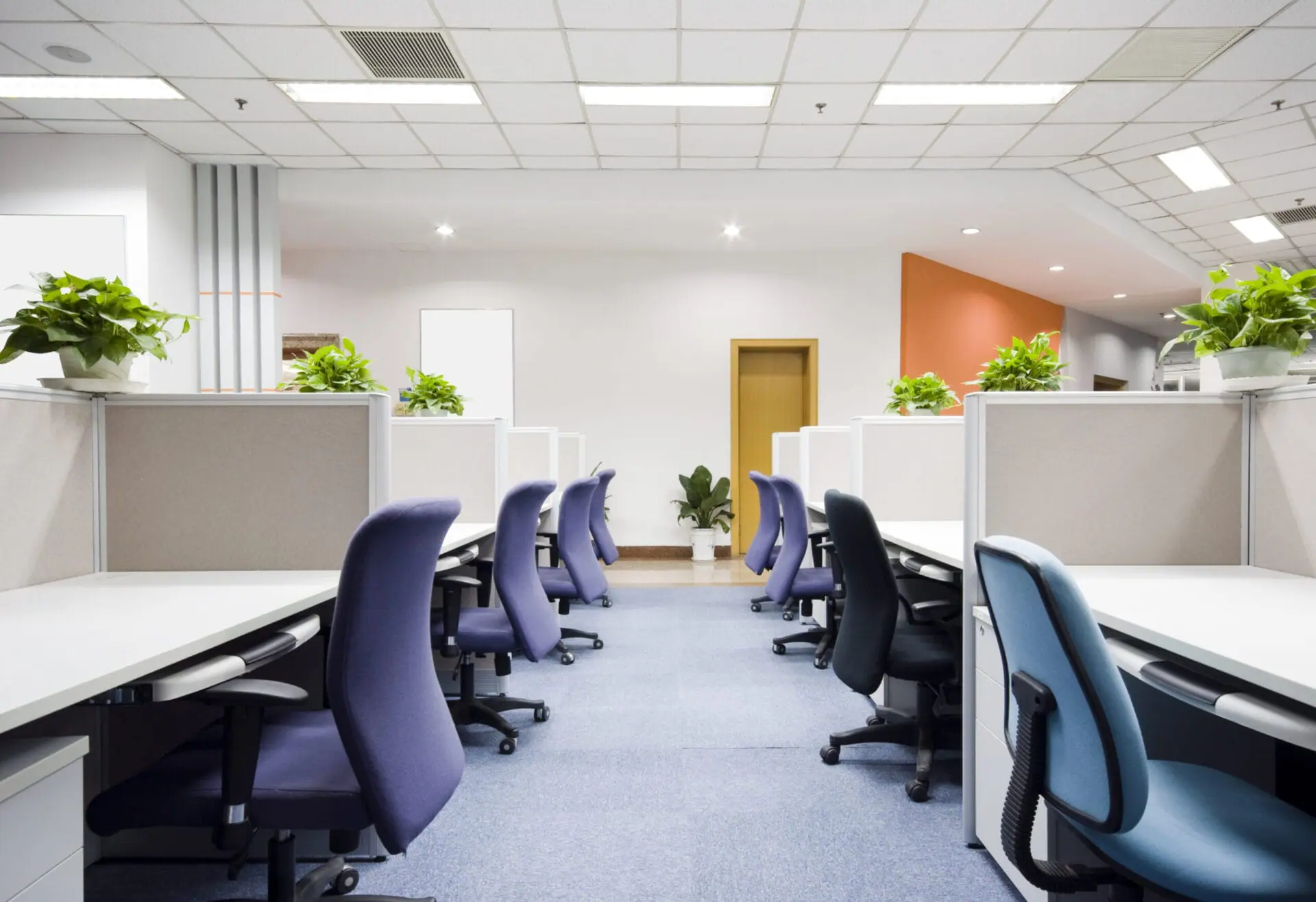
Commercial flooring is rarely just a matter of choosing a product that looks good. A commercial space has to work harder than most residential interiors. Employees walk through it every day, customers may enter and leave constantly, equipment may move across the floor, and certain areas may encounter moisture, spills, or heavy traffic. At the same time, the finished flooring still needs to represent the character of the business.
That combination makes choosing the right flooring company just as important as choosing the flooring itself. For businesses in Cherry Hill, NJ, and Freehold, NJ, Floor Coverings International can help commercial property owners approach flooring as part of a larger operational and design decision. When exploring a commercial flooring project, learn more about flooring solutions and services and consider what your business actually needs from its floor.
Commercial Flooring Has to Survive the Working Day
A residential floor may experience plenty of traffic, but a commercial floor has a different relationship with activity. People enter carrying outdoor debris. Employees move between departments. Chairs roll repeatedly across the same areas. Deliveries arrive. Customers may gather in waiting areas. Some spaces may operate continuously throughout the day.
That means commercial flooring needs to be selected according to the environment in which it will operate rather than simply according to how attractive a sample looks.
Waterproof flooring can be particularly interesting for commercial spaces where spills, cleaning, or moisture are part of everyday operations. A flooring surface that is designed to handle moisture can provide another layer of practicality without forcing the business to sacrifice a polished appearance.
The first question should therefore be simple: what does the floor have to endure?
The Floor Has to Work With the Business
Different businesses create different flooring requirements. A retail environment may prioritize appearance and customer experience. An office may place greater emphasis on comfort, acoustics, and a professional atmosphere. A commercial space with frequent deliveries may need a surface that can tolerate significantly more activity.
There is no universal commercial floor because there is no universal commercial environment.
Vinyl flooring can offer a broad range of visual possibilities, including wood-inspired and other contemporary designs, making it useful when a business wants a practical surface that still contributes to its interior identity.
Wood can create a more established and sophisticated appearance when the design calls for natural character. Waterproof flooring can provide practical advantages in spaces where moisture is a consideration.
The product should follow the needs of the business rather than the other way around.
Commercial Design Starts With the Customer Experience
Flooring is one of the first things customers experience when they enter a business, even if they never consciously think about it. A floor can make a reception area feel polished, a retail environment feel contemporary, or an office feel more established.
This makes flooring part of the customer experience.
Imagine walking into a professional business with carefully designed lighting, attractive furniture, and thoughtful branding, only to encounter flooring that looks worn or visually disconnected from the rest of the space. The inconsistency can affect the overall impression.
Conversely, flooring that works naturally with the architecture and interior design can make the entire environment feel more cohesive.
Commercial flooring should therefore be considered alongside branding, furniture, lighting, wall finishes, and the intended customer experience.
Waterproof Flooring Can Bring Practicality Into Design
One of the challenges in commercial interiors is finding the balance between visual quality and practical performance. Business owners do not necessarily want flooring that looks purely utilitarian, but they also cannot ignore what happens on the floor every day.
Waterproof flooring can help bridge that gap in appropriate applications. Modern designs can provide attractive visuals while addressing moisture-related concerns in spaces where water or spills are possible.
For a business owner, this means the floor does not have to look like a compromise. It can become part of the design while still being selected with real-world conditions in mind.
The key is matching the product to the actual environment and understanding the manufacturer's specifications for the intended commercial application.
Commercial Flooring Projects Need Planning Before Installation
One of the biggest differences between a casual flooring update and a commercial project is the importance of planning. Businesses cannot always stop operating while flooring work takes place. Installation may need to be coordinated around employees, customers, deliveries, furniture, and operating hours.
This makes scheduling and project communication extremely important.
A flooring company should understand the scope of the project, the condition of the existing surface, the intended installation areas, material availability, access requirements, and any timing restrictions before work begins.
The more clearly these details are addressed at the beginning, the fewer surprises are likely to appear later.
Ask How the Existing Floor Will Be Handled
A new flooring product is only one part of a successful installation. The surface beneath it matters too.
Existing flooring may need to be removed. The subfloor may need preparation. Uneven areas may require attention. Moisture conditions may need to be considered. Doors, transitions, baseboards, and other architectural elements may also affect the installation.
Commercial property owners should therefore ask what preparation is included in the project and what conditions could change the scope.
This is particularly important when comparing quotes from different companies. Two estimates may appear very different because they include different levels of preparation or different assumptions about the existing floor.
A Commercial Flooring Company Should Think Beyond the Sample
Product knowledge matters, but commercial flooring requires a broader perspective. The right flooring professional should be able to discuss the relationship between the product, the building, the business, the installation environment, and the expected traffic.
That conversation can help narrow the choices significantly.
Instead of walking into a showroom and choosing from hundreds of samples without context, business owners can start by describing how the space operates. Once those requirements are understood, flooring options can be evaluated based on their suitability.
Appearance Still Matters
Practicality should never mean ignoring aesthetics. A commercial space is part of the business environment, and flooring contributes to how that environment is perceived.
Vinyl can create contemporary visuals and can replicate the appearance of other materials. Wood can provide natural character and a more traditional sense of permanence. Waterproof flooring can combine practical considerations with a range of design possibilities.
The right selection depends on the identity of the business and the atmosphere the property needs to create.
Look at the Entire Project, Not Just the Flooring Product
A commercial flooring project is successful when the final result works on several levels at once. The floor needs to look appropriate, perform within the demands of the environment, fit the project schedule, and work with the surrounding interior.
That is why choosing a flooring company should involve more than comparing product names. Look at how the company approaches the project, how clearly the scope is communicated, and whether the conversation addresses the realities of your commercial space.
Businesses in Cherry Hill and Freehold, NJ, can use the contact page to begin discussing their flooring needs with Floor Coverings International. Whether your project calls for waterproof flooring, vinyl, or wood, starting with the requirements of the business can help turn a commercial flooring project from a simple replacement into a carefully planned improvement to the entire environment.
```



